
Oral Fluid Drug Tests for Observed, Specimen-Handling-Free Screening
The D-Pen combines collector and test device in one unit — collect saliva in plain sight, with no bathroom, no pour, and no separate swab to manage.
What sets these apart
D-Pen combined collector + device
Collection and testing happen in one unit — no separate swab, no buffer tube, no specimen transfer between devices.
Observed-collection friendly
The donor swabs in plain sight, so there's no restroom, no privacy stall, and no chance to substitute a sample.
Re-collect in the mouth
Because collector and test are one device, the donor can return the swab to the mouth more than once until enough saliva is gathered to run.
No specimen handling
Nothing to pour, pipette, or store — the collector never touches a loose biohazard specimen.
3 to 12 panels, plus singles
From single-analyte D-Pen Mini tests (cotinine, fentanyl, THC) to a 12-panel with alcohol, matched to your program's needs.
Shop Oral Fluid (Saliva) Drug Tests
Ships same-day on orders placed by 3pm ET.
9 products
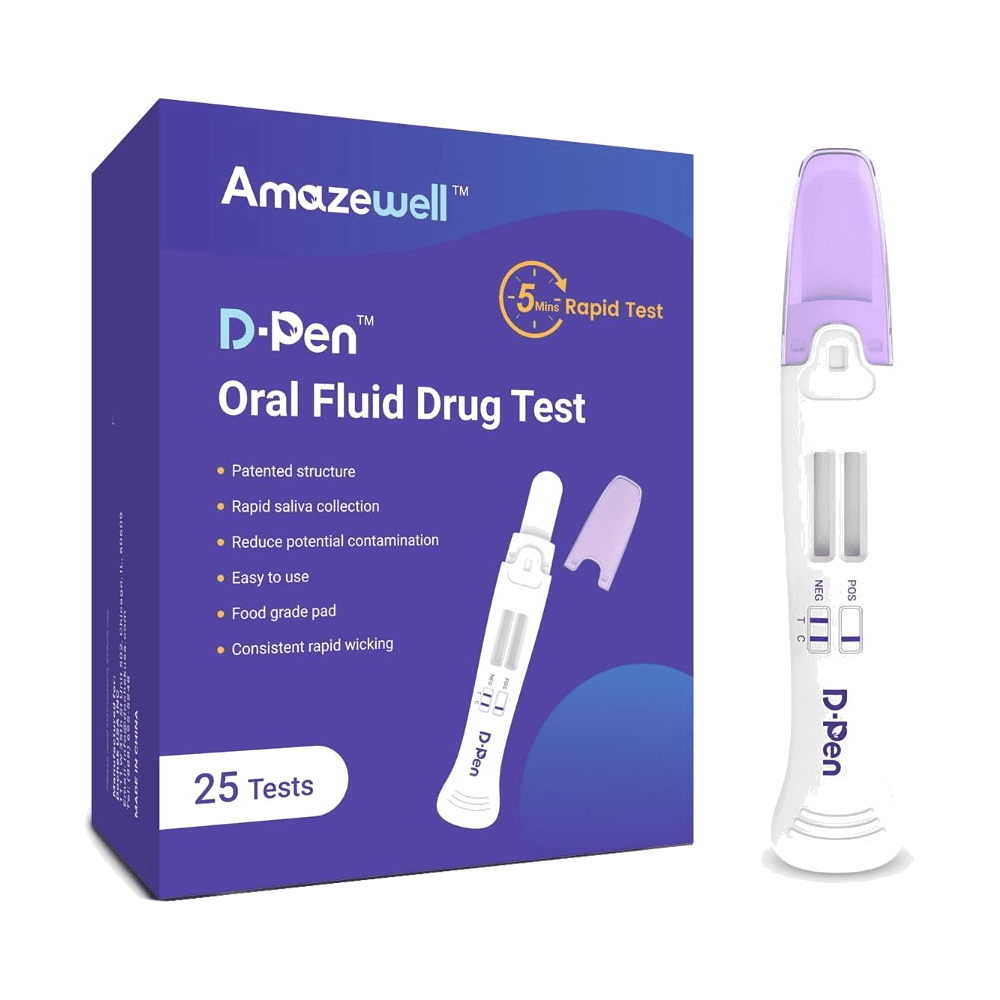 Ships Today10-panel
10-Panel D-Pen Oral Fluid Drug Test (Employee Use)
10-panel D-Pen oral fluid device screening for Amphetamine, Barbiturates, Cocaine, and 7 more. Manufacturer SKU MGDPO-10106EUO.
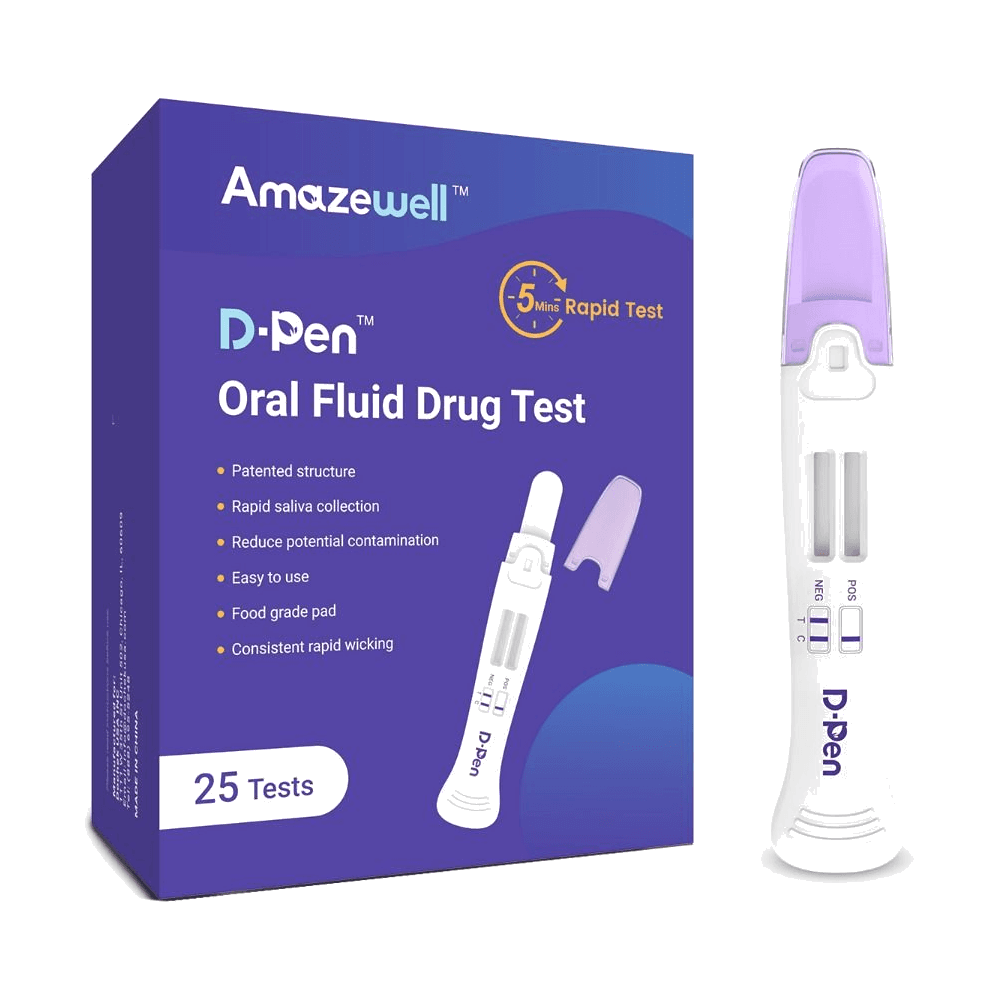 Ships Today12-panel
12-Panel D-Pen Oral Fluid Drug Test (with Alcohol)
12-panel D-Pen oral fluid device screening for Amphetamine, Barbiturates, Buprenorphine, and 9 more. Manufacturer SKU MGDPO-1116PA.
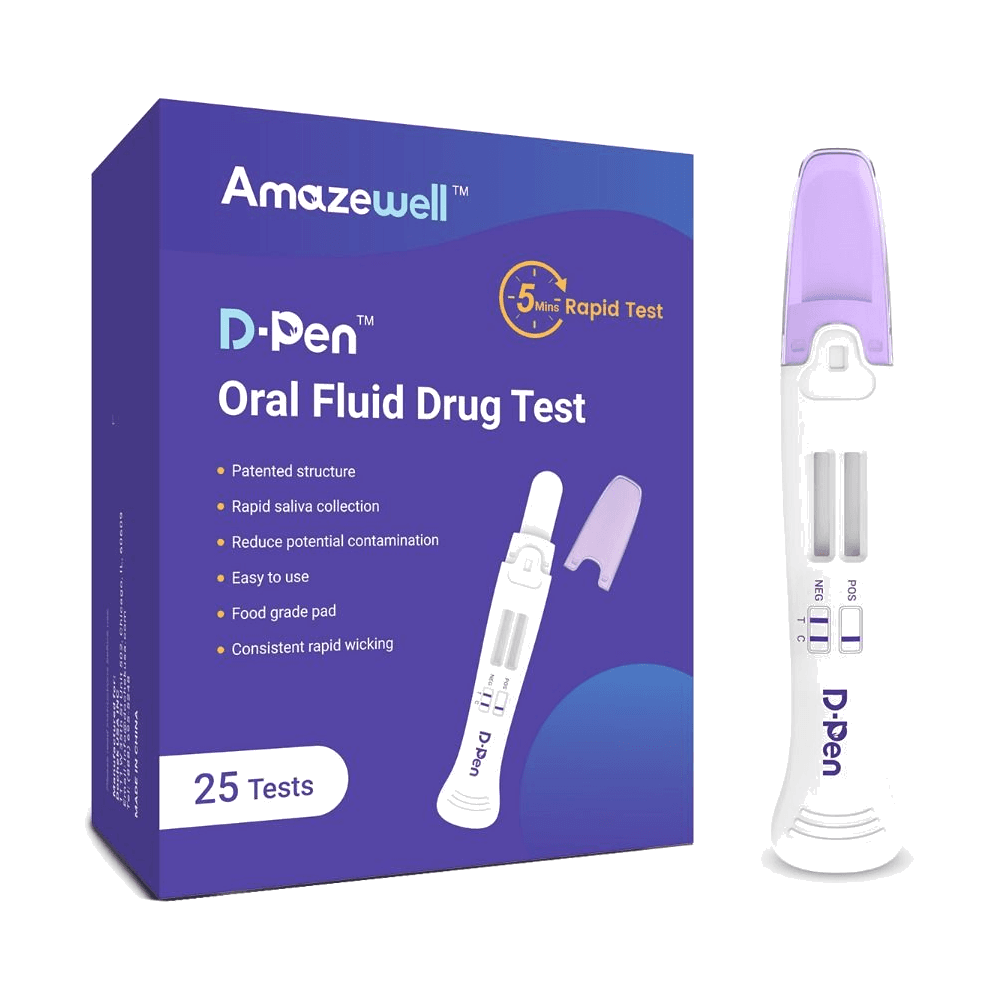 Ships Today3-panel
3-Panel D-Pen Oral Fluid Test (Alcohol + Nicotine + THC)
3-panel D-Pen oral fluid device screening for Alcohol, Nicotine (Cotinine), Marijuana. Manufacturer SKU MGDPO-ACT.
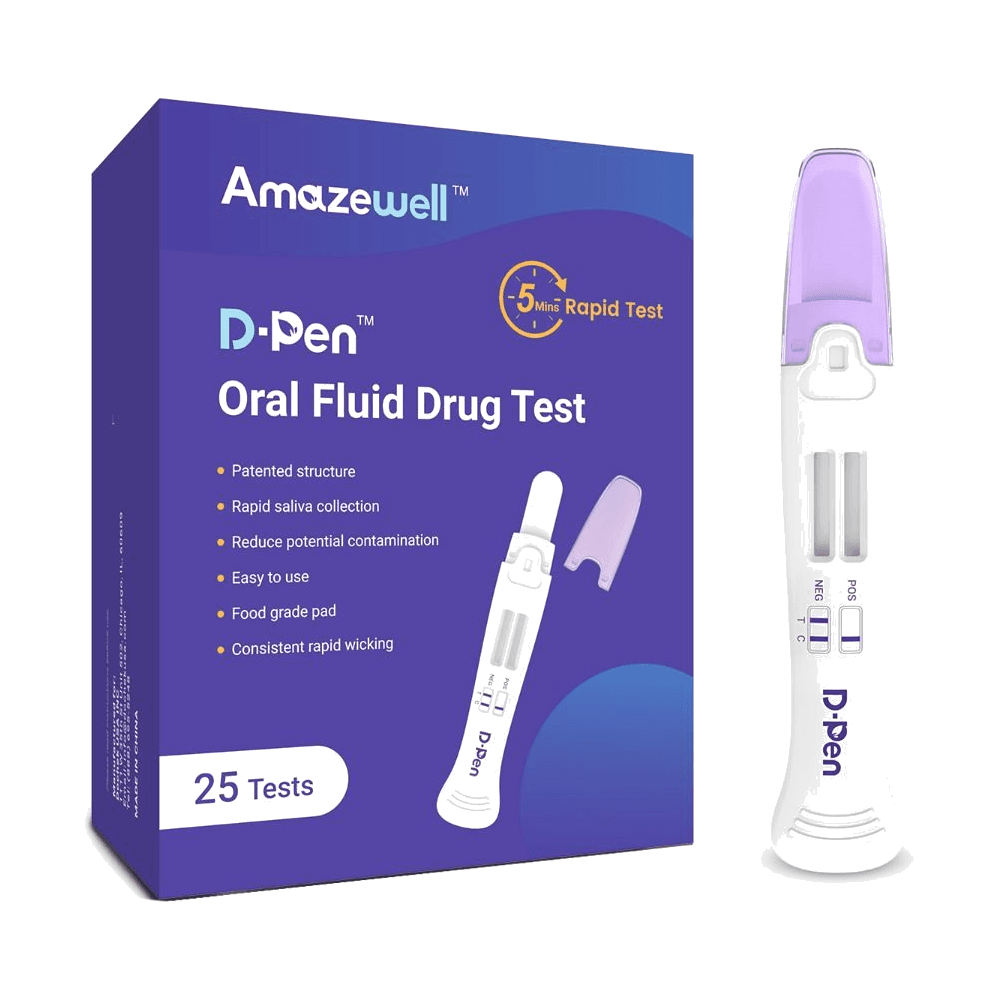 Ships Today5-panel
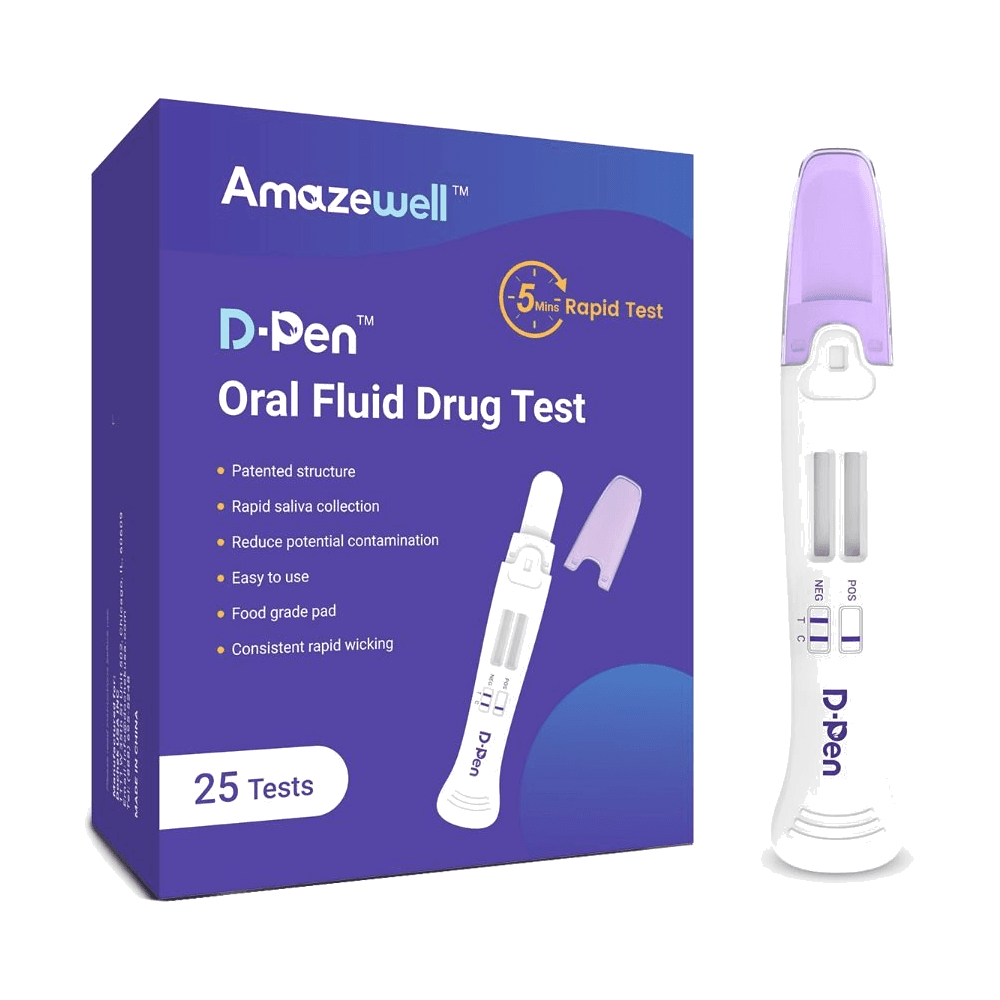
5-Panel D-Pen Oral Fluid Drug Test (Employee Use)
5-panel D-Pen oral fluid device screening for Amphetamine, Cocaine, Methamphetamine, and 2 more. Manufacturer SKU MGDPO-256EUO.
 Ships Today6-panel
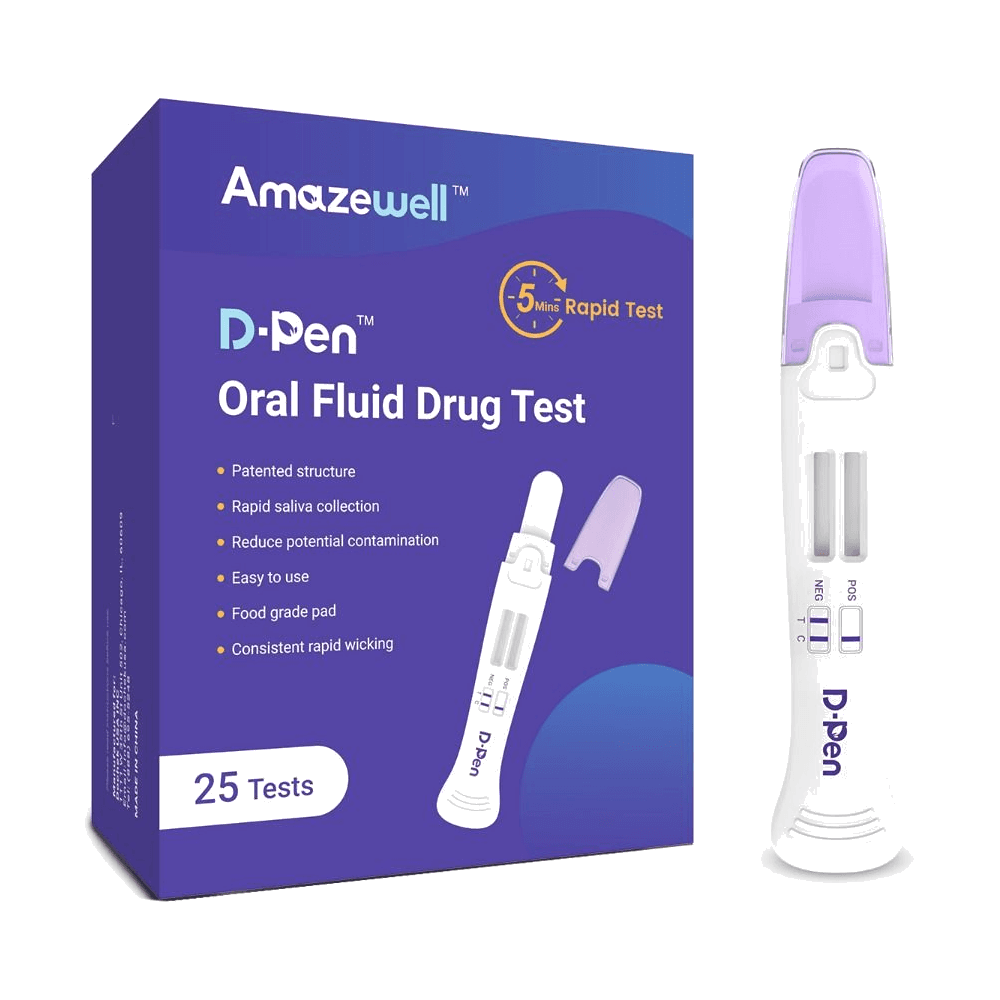
6-Panel D-Pen Oral Fluid Drug Test (Employee Use)
6-panel D-Pen oral fluid device screening for Amphetamine, Benzodiazepines, Cocaine, and 3 more. Manufacturer SKU MGDPO-266EUO.
 Ships Today7-panel
7-Panel D-Pen Oral Fluid Drug Test (Employee Use)
7-panel D-Pen oral fluid device screening for Amphetamine, Benzodiazepines, Cocaine, and 4 more. Manufacturer SKU MGDPO-276EUO.
 Ships Today1-panel
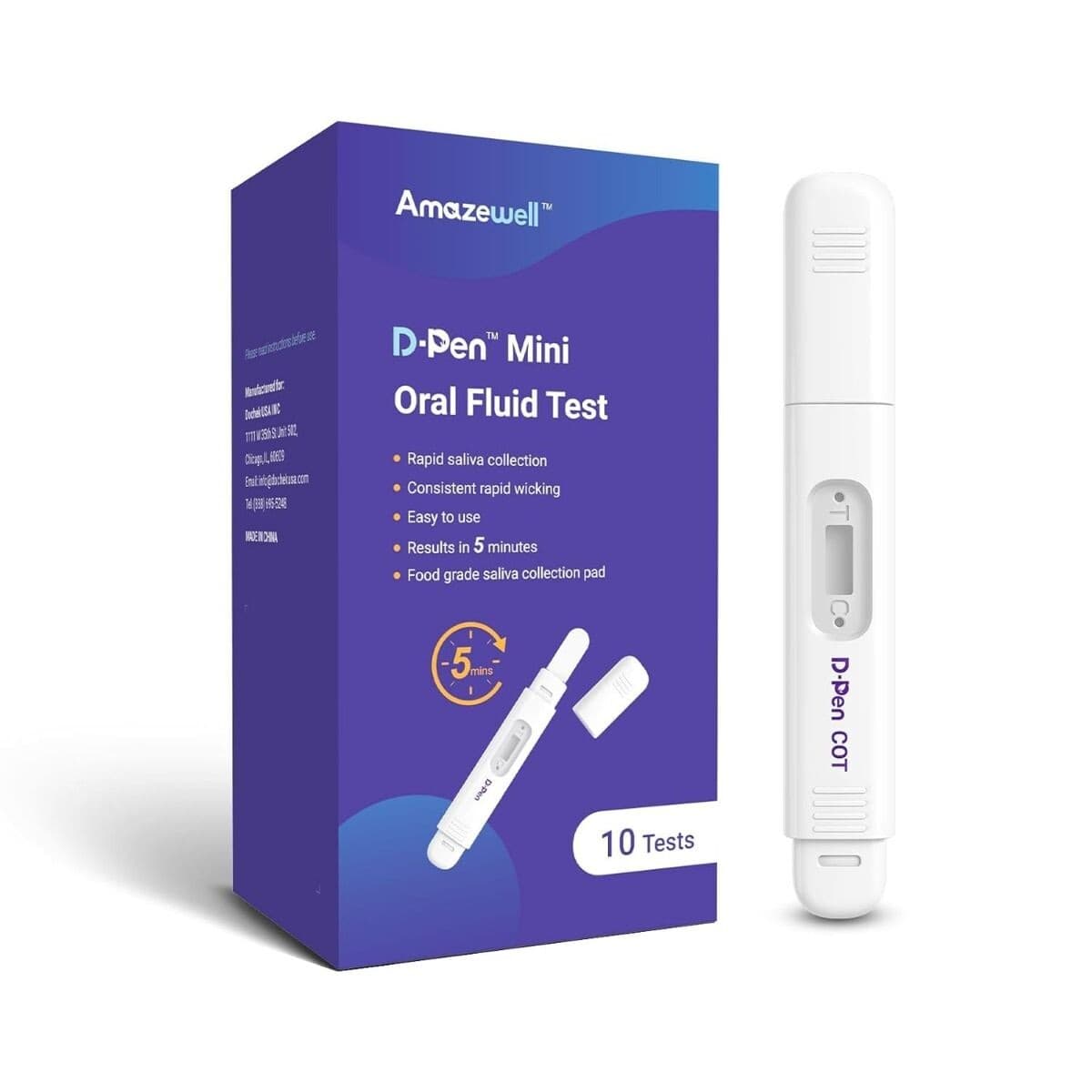
D-Pen Mini Cotinine Oral Fluid Test — 50 ng/mL
Single-analyte D-Pen Mini oral fluid device for Cotinine (Nicotine metabolite) at 50 ng/mL. Manufacturer SKU MGDPM-COT-10B.
 Ships Today1-panel
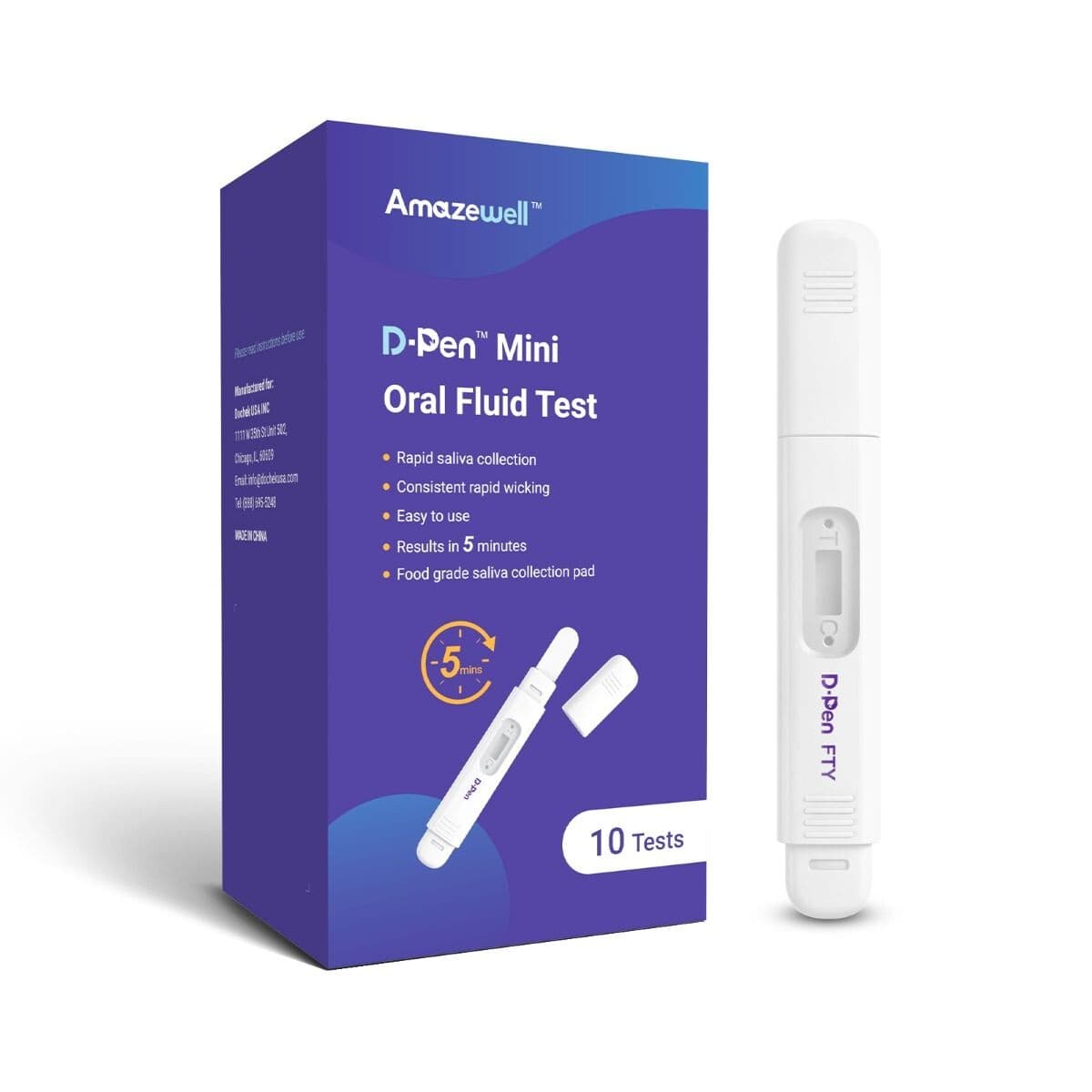
D-Pen Mini Fentanyl Oral Fluid Test — 20 ng/mL
Single-analyte D-Pen Mini oral fluid device for Fentanyl (FTY) at 20 ng/mL. Manufacturer SKU MGDPM-FTY-10B.
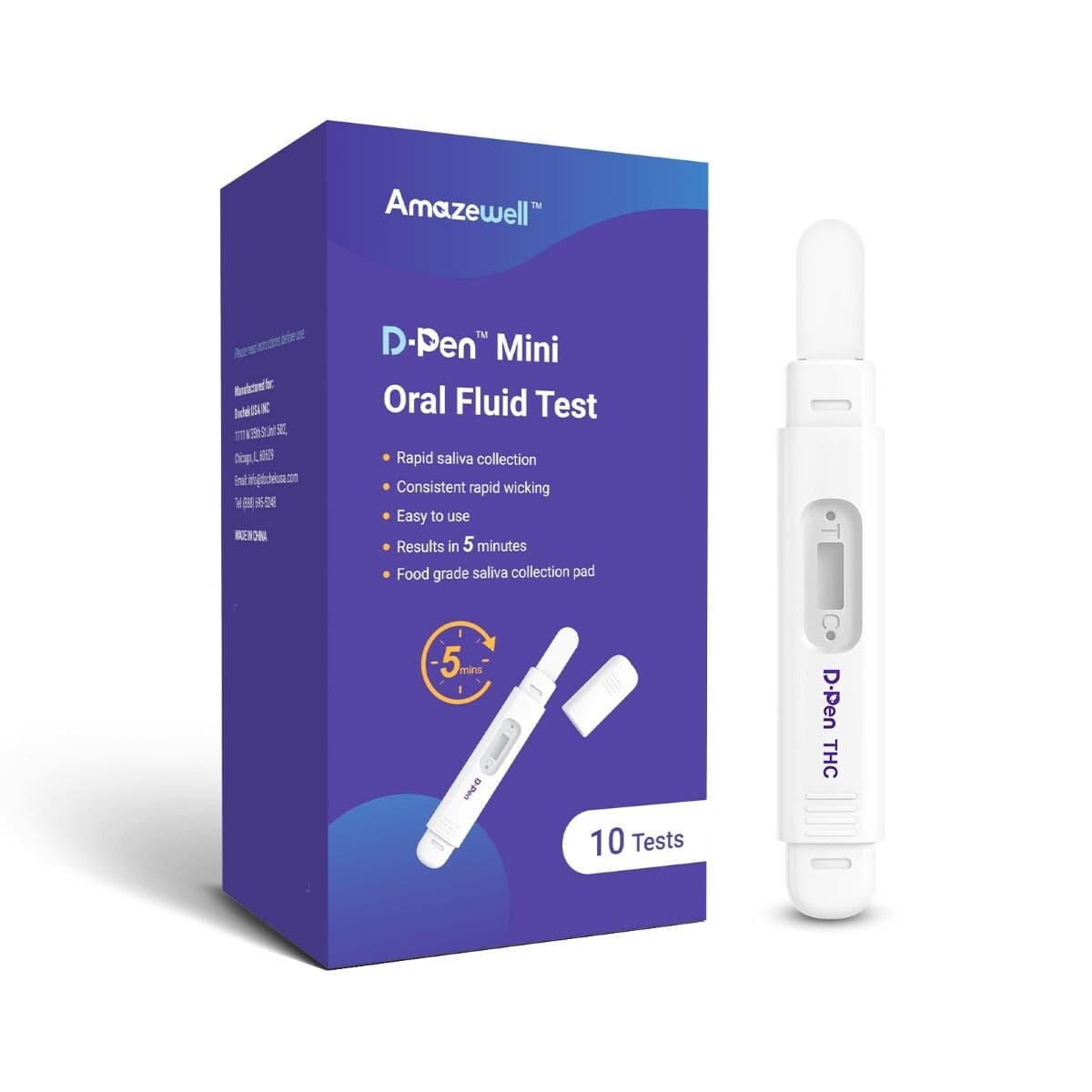 Ships Today1-panel
D-Pen Mini THC Oral Fluid Test — 40 ng/mL
Single-analyte D-Pen Mini oral fluid device for Marijuana (THC) at 40 ng/mL. Manufacturer SKU MGDPM-THC-10B.
In short
Oral fluid drug testing screens a saliva sample collected directly from the mouth, making it the easiest format to observe honestly — the collection happens in plain sight, with no restroom and no opportunity to substitute a sample. Magenta uses the D-Pen, a combined collector-and-test device: unlike most oral saliva tests that pair a separate collector swab with a separate test cassette, the D-Pen builds both into one device, so the donor can return the swab to the mouth more than once until enough saliva is collected, and the same unit then develops the result. No one ever transfers or handles a loose specimen. Oral fluid detects very recent use particularly well, often catching consumption within minutes to hours that a urine test might miss, which makes it the natural choice for random, post-incident, reasonable-suspicion, and roadside screening. Our catalog runs nine D-Pen products: three single-analyte D-Pen Mini tests (cotinine, fentanyl, THC) and six multi-panel devices from a focused 3-panel up to a 12-panel with alcohol.
When oral fluid testing is the right call
Oral fluid earns its place whenever observed collection matters and a urine restroom collection is impractical or easy to defeat. Because the donor swabs in front of the collector, substitution and dilution — the two classic ways to beat a urine screen — are effectively off the table. There's no privacy stall, no water source, and no container to swap. For random, post-accident, and reasonable-suspicion testing, that observability is the whole point.
Detection windows are the other reason to reach for saliva. Oral fluid reflects recent use: many drugs appear in saliva within minutes of use and remain detectable for roughly 24–48 hours, closely tracking the period of likely impairment. Urine, by contrast, can stay positive for days after the effects have worn off. So if your question is 'did this person use recently,' oral fluid answers it more directly than urine does.
The Magenta D-Pen is what makes that workflow genuinely clean. Most oral fluid tests on the market use a separate collector swab and a separate test device, which means a transfer step, a buffer tube, and the chance to spill or contaminate the sample. The D-Pen combines the collector and the test into one unit. There's no pipetting and no loose specimen to handle, and because the collector and test are one piece, the donor can simply replace the swab back into the mouth more than once if the first pass doesn't gather enough saliva to run.
That single-device design also solves the most common cause of a failed oral-fluid test: an under-collected sample. If a donor's mouth is dry, the re-collect-in-mouth step recovers the attempt gracefully rather than voiding the device and forcing you to open a new one.
Oral fluid isn't the answer for every program. Its shorter window means it won't catch use from several days ago, and regulatory acceptance varies by context — most notably in federally regulated transportation testing, where oral fluid is now authorized in rule but its operational rollout has lagged urine. Use saliva where recency and observability are what you need, and pair it with urine where a longer look-back is required.
Oral fluid vs. urine
Saliva detects recent use under direct observation; urine offers a longer detection window but needs a private collection that's easier to defeat.
D-Pen vs. separate swab-and-cassette
The combined collector-and-test device removes the transfer step and lets the donor re-swab in the mouth — no pipetting, no buffer spill, no loose specimen to handle.
Recommended for these industries
Oral fluid fits programs built around recency and observed collection. These settings order Magenta D-Pen tests most:
Workplace HR
Random and reasonable-suspicion testing where recent use and an observed collection matter most.
Explore →Law Enforcement
Roadside and field screening where a quick, observed mouth swab beats arranging a urine collection.
Explore →Rehab Centers
Treatment-program monitoring that needs frequent, observed, low-friction screening for recent use.
Explore →Methadone Clinics
Observed recency checks between visits without the restroom logistics of a witnessed urine collection.
Explore →DOT Transportation
Useful for company (non-federal) recency testing — note federal DOT oral-fluid rollout still lags urine.
Explore →Bulk & wholesale pricing
Oral fluid kits are priced in the same automatic volume tiers as the rest of the catalog, quoted per individual test while the catalog sells them by the pack. As your order grows the per-test cost steps down across roughly four tiers — a starter tier for 25–100 tests, a mid tier for 125–500, a program tier for about 500–2,000, and a contract tier above that — and the cart always applies the lowest tier your quantity qualifies for, with no code to enter. Because the D-Pen folds the collector into the test device, you skip consumables like separate swabs and buffer tubes, so the all-in cost per observed test is often lower than a comparable swab-and-cassette system once you account for the parts you don't have to buy or the recollects you avoid. Approved wholesale accounts can layer negotiated per-item rates on top, and you're always charged the lower of the tier price or your account rate. For a standing program, request a bulk quote and we'll build a tier around your real usage.
Compliance & certifications
Magenta oral fluid devices are FDA 510(k) cleared, and the standard configurations are CLIA waived so a site with a Certificate of Waiver can run them without high-complexity personnel. As always, waiver status is tied to the specific analyte-and-matrix configuration; the product page for each device states its status, and expanded panels should be checked before you standardize on them.
Oral fluid cutoffs follow the federal oral-fluid guidelines where one exists and the manufacturer's validated cutoff otherwise. It's worth understanding that oral-fluid and urine cutoffs are not interchangeable — the same drug clears the two matrices on different timelines — so don't assume a urine-based policy threshold maps directly onto a saliva test. Match your cutoffs to the matrix you're actually collecting.
On the regulatory front, the U.S. Department of Transportation amended 49 CFR Part 40 to permit oral fluid testing, but federal programs cannot use it operationally until HHS certifies laboratories for oral fluid confirmation, which has lagged. If you operate under DOT, confirm current authorization before substituting saliva for urine. For company (non-regulated) testing you have full latitude. Every oral fluid test is a screening device: confirm any non-negative at an accredited laboratory before acting on it.
For in vitro diagnostic screening use. A positive screen is presumptive; obtain laboratory confirmation before any medical, employment, or legal decision. Oral fluid is not yet operational for federally regulated DOT testing.
Frequently asked questions
When should I use oral fluid instead of urine?+
Reach for oral fluid when recency and observability are the priority — random, post-accident, reasonable-suspicion, and roadside situations where you want to know about very recent use and you need to watch the collection. Choose urine when you need a longer detection window (days rather than a day or two) or when your program operates under rules that currently require urine, such as federal DOT testing.
What makes the D-Pen different from a normal swab test?+
Most oral fluid tests use a separate collector swab and a separate test cassette, so the collector has to transfer the sample from one to the other. The D-Pen combines the collector and the test into a single device. That removes the transfer step entirely and lets the donor return the swab to the mouth more than once if the first pass doesn't gather enough saliva — so you start the actual test only once you've confirmed an adequate sample, with nothing to pipette or spill.
Are oral fluid tests accepted for DOT testing?+
The Department of Transportation amended 49 CFR Part 40 to allow oral fluid testing, but it cannot be used operationally in federal programs until HHS certifies laboratories to perform oral-fluid confirmation, and that certification has been slow to arrive. As a practical matter, confirm the current status before relying on saliva for any DOT-regulated test. For non-federal company testing, oral fluid is fully usable today.
How do oral fluid detection windows compare with urine?+
Oral fluid generally detects drugs from minutes after use up to about 24–48 hours, closely tracking recent use and likely impairment. Urine typically detects use over a longer span — often two to four days for many substances, and longer for chronic cannabis use. So saliva is better for 'used recently,' while urine is better for 'used in the last several days.'
What if the donor can't produce enough saliva?+
If a donor's mouth is dry, have them wait a short time without eating or drinking and simply replace the swab in the mouth to keep collecting — because the collector and test are one device, you don't have to open a new kit. Avoid food, drink, gum, and tobacco for at least 10 minutes before collection for the cleanest sample.
Can someone beat an observed oral fluid test?+
Observed oral fluid collection is among the hardest formats to defeat because substitution and dilution aren't options — there's no private restroom and no container to swap. Adulterant products marketed to 'cleanse' saliva have limited and short-lived effect, and the observed swab removes the opportunity to use them discreetly. That tamper-resistance is a primary reason programs choose saliva for high-stakes situations.
What's the difference between the D-Pen Mini and the multi-panel D-Pens?+
The D-Pen Mini tests are single-analyte devices — we stock cotinine (nicotine), fentanyl, and THC — for when you only need to screen one substance, such as a nicotine-cessation or fentanyl-specific program. The multi-panel D-Pens screen several drug classes at once, from a 3-panel up to a 12-panel that includes alcohol. Use a Mini for a focused question and a multi-panel when you need a broader picture from a single collection.
Do oral fluid kits need refrigeration?+
No. Store the kits sealed at room temperature, away from direct sunlight and freezing, and let any cool stock reach room temperature before use. Each device is single-use and individually pouched; use it promptly once opened and discard it after the read window.
Screen for recent use, in plain sight.
Standardize on the D-Pen for observed collection, or request a bulk quote to build pricing around your program.
Explore other categories
Drug Test Cups
All-in-one integrated urine cups that collect, test, and read in a single sealed device — built for high-volume programs that can't afford a recollect.
View →Drug Test Dip Cards
Compact dip cards that deliver the same lab-grade screening chemistry as a cup at a fraction of the cost per test — ideal when you screen often and watch every dollar.
View →Flowflex Respiratory Home Tests
One nasal swab, one device, four answers in 15 minutes — distinguish RSV, influenza A, influenza B, and COVID-19 without a clinic visit.
View →DNA Tests
At-home paternity and relationship DNA testing.
View →